


Converging Hearts: The Profound Biblical Call to Corporate Worship
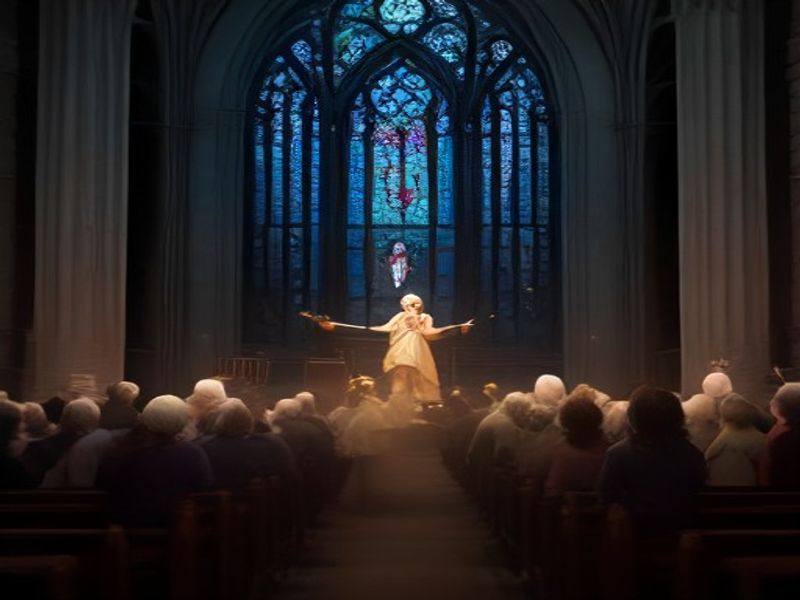
In an increasingly fragmented world, the very idea of gathering together can feel like a logistical challenge or an outdated tradition. We live in an age of personalized experiences, where spiritual content is often consumed individually, on demand. Yet, for believers, there is a profound, irreplaceable power in corporate worship—a sacred assembly that transcends mere attendance.
This isn't just about showing up; it's about engaging in a divinely ordained practice with deep roots in Scripture. The Bible consistently reveals that God desires His people to gather, to worship, and to encounter Him collectively. This communal aspect of faith is not incidental but fundamental to our spiritual health, growth, and witness.
A Divine Summons: The Old Testament Foundation
From the earliest days, God called His people to gather. The nation of Israel was formed through divine assembly, beginning with the Passover, which commanded families to gather and remember God's deliverance. These initial gatherings were not optional but central to their identity and covenant relationship with God.
"Assemble the people—men, women and children, and the foreigners residing in your towns—so that they can listen and learn to fear the LORD your God and follow carefully all the words of this law." (Deuteronomy 31:12 NIV)
Throughout the Old Testament, we see God instituting various feasts and festivals, all requiring corporate assembly. The Tabernacle and later the Temple became focal points for national worship, where individuals joined together in sacrifices, prayers, and praises. The Psalms, often sung in communal settings, articulate a deep yearning for corporate worship and the joy found in God's presence among His people.
Consider Psalm 122:1, which exclaims, "I rejoiced with those who said to me, ‘Let us go to the house of the LORD’" (NIV). This sentiment reflects a shared spiritual anticipation, a collective eagerness to enter God's presence. These gatherings fostered a sense of unity, reinforced their shared history, and reaffirmed their covenant with the living God.
The Early Church's Unwavering Conviction
The New Testament church didn't abandon this corporate emphasis; it amplified it. Following Pentecost, the nascent Christian community immediately prioritized gathering. Their devotion to fellowship, teaching, and prayer formed the bedrock of their communal life.
"They devoted themselves to the apostles’ teaching and to fellowship, to the breaking of bread and to prayer." (Acts 2:42 NIV)
This verse paints a vivid picture of a vibrant, interconnected community where corporate activities were not an add-on but essential. They shared meals, shared lives, and shared their devotion to Christ. This unity and mutual support were powerful testimonies to the world around them, leading many to faith.
The Apostle Paul consistently addresses churches as corporate bodies, emphasizing their interconnectedness and shared identity in Christ. His letters are filled with instructions for how they should conduct themselves when gathered, highlighting the importance of order, mutual respect, and edification during their assemblies.
Perhaps one of the most direct commands regarding corporate worship comes from the writer of Hebrews, urging believers not to neglect their shared gatherings.
"And let us consider how we may spur one another on toward love and good deeds, not giving up meeting together, as some are in the habit of doing, but encouraging one another—and all the more as you see the Day approaching." (Hebrews 10:24-25 NIV)
This passage underscores a vital truth: corporate worship is not merely about receiving but also about giving—spurring one another on, encouraging one another. It's an active, participatory event where every member contributes to the spiritual well-being of the whole.
Edification and Encouragement: Building Up the Body
When we gather, we become more than a collection of individuals; we become the body of Christ. Each member, with their unique gifts and experiences, contributes to the spiritual health and growth of the entire assembly. This mutual edification is a cornerstone of corporate worship.
"so in Christ we, though many, form one body, and each member belongs to all the others." (Romans 12:5 NIV)
We are designed for interdependence. In corporate worship, we lift each other up through shared praise, prayer, and the hearing of God's Word. When one member is weak, others can provide strength; when one rejoices, the whole body celebrates. This communal dynamic is essential for spiritual resilience and maturity.
The Apostle Paul further explains this in Ephesians, describing how the church is built up:
"From him the whole body, joined and held together by every supporting ligament, grows and builds itself up in love, as each part does its work." (Ephesians 4:16 NIV)
This growth happens organically when we commit to gathering. We learn from the teaching, are challenged by testimonies, and find solace in the shared presence of God and His people. Corporate worship reminds us that we are not alone in our faith journey, but part of a larger, living organism.
A Unified Voice: Witness and Mission
Corporate worship isn't just for our internal benefit; it also serves as a powerful witness to the world. When believers gather in unity, love, and devotion, it reflects the very heart of God to those observing.
"By this everyone will know that you are my disciples, if you love one another." (John 13:35 NIV)
The love and unity displayed in corporate worship are compelling evangelistic tools. The early church's devotion to fellowship and their shared life together led many to wonder and ultimately to believe. Their corporate gatherings were not closed-off events but vibrant expressions of a new way of life that drew others in.
Moreover, corporate worship fuels the church's mission. When we gather, we are reminded of our shared purpose: to proclaim the gospel and make disciples. Corporate prayer, in particular, unleashes spiritual power for mission, as seen in the book of Acts:
"After they prayed, the place where they were meeting was shaken. And all of them were filled with the Holy Spirit and spoke the word of God boldly." (Acts 4:31 NIV)
A church that worships together boldly is a church empowered for impact. Our collective prayers, praises, and commitment to God's Word strengthen our resolve to carry out His Great Commission in the world.
Spiritual Formation and Sustenance
Beyond encouragement and witness, corporate worship is a primary means of spiritual formation and sustenance. It is where we are regularly fed by the Word of God, participate in the sacraments, and engage in practices that shape our character and deepen our faith.
The preaching of the Word in a communal setting offers unique benefits. It provides authoritative teaching, challenges us corporately, and unites us under shared truth. Hearing the Word together fosters a common understanding of God's will and strengthens our theological foundations.
Participation in the sacraments, such as communion (the breaking of bread) and baptism, are inherently corporate acts. They are visible signs of our shared identity in Christ and our participation in His saving work. When we partake in communion, we are not only remembering Christ's sacrifice individually but also affirming our unity as His body.
Corporate worship also provides a context for shared confession, lament, and thanksgiving. To acknowledge our sin together, to mourn together, and to express gratitude as one body fosters humility, empathy, and a profound sense of God's grace. It reminds us that our hope is not in ourselves, but in Christ alone. This foundational hope, anchored in Christ's resurrection, is continually reaffirmed and celebrated in our collective gatherings.
Anticipating the Eternal Assembly
Ultimately, corporate worship on earth is a foretaste of the eternal assembly we will experience in heaven. The book of Revelation offers glimpses of countless believers from every nation, tribe, people, and language gathered before the throne, worshipping God and the Lamb.
"After this I looked, and there before me was a great multitude that no one could count, from every nation, tribe, people and language, standing before the throne and before the Lamb. They were wearing white robes and were holding palm branches in their hands. And they cried out in a loud voice: 'Salvation belongs to our God, who sits on the throne, and to the Lamb.'" (Revelation 7:9-10 NIV)
Our earthly gatherings are rehearsals for this grand, cosmic worship. They help us cultivate the heart of worship that will be our eternal delight. By practicing corporate worship now, we align our hearts with God's eternal plan and prepare for the ultimate fellowship with Him and with all the saints.
Navigating the Modern Landscape: A Pastoral Plea
In our busy, digitally connected world, the temptation to view corporate worship as optional or inconvenient is strong. Online services offer accessibility, and personal devotions are vital. However, these valuable alternatives cannot fully replace the unique, scripturally mandated experience of physical gathering.
The tactile presence of fellow believers, the shared sound of voices in praise, the communal act of receiving communion—these elements forge a bond that virtual platforms, however well-produced, cannot replicate. There's a tangible manifestation of the body of Christ when we are physically present together.
Pastors often witness the spiritual decline of those who consistently neglect corporate worship. Isolation can breed discouragement, false doctrines, and a diminished sense of accountability. Conversely, consistent engagement in corporate worship often correlates with spiritual resilience, deeper faith, and a greater sense of purpose.
If you find yourself drifting, remember the biblical call. Recommit to gathering with God's people. Seek out a community where the Word is faithfully preached, where love is evident, and where Christ is glorified. Your presence matters, not just for your own spiritual well-being, but for the edification of the entire body and the glory of God.
Conclusion
The power of corporate worship is not a human invention but a divine design. It is God's chosen means to manifest His presence, build up His people, and advance His kingdom. From the ancient assemblies of Israel to the vibrant gatherings of the early church, and extending to our modern congregations, the command and blessing of gathering together remain profound.
Let us not underestimate the spiritual strength, the communal joy, and the prophetic witness found when converging hearts unite in adoration. May we embrace this precious gift, not as a duty, but as a privilege that draws us closer to God and to one another, preparing us for the eternal worship to come.
Further reading: Divine Presence Within: The Spirit's Enduring Ministry as Sustainer, Sage, and Navigator.
