


Varanasi: A Timeless Journey Through India’s Spiritual Heart
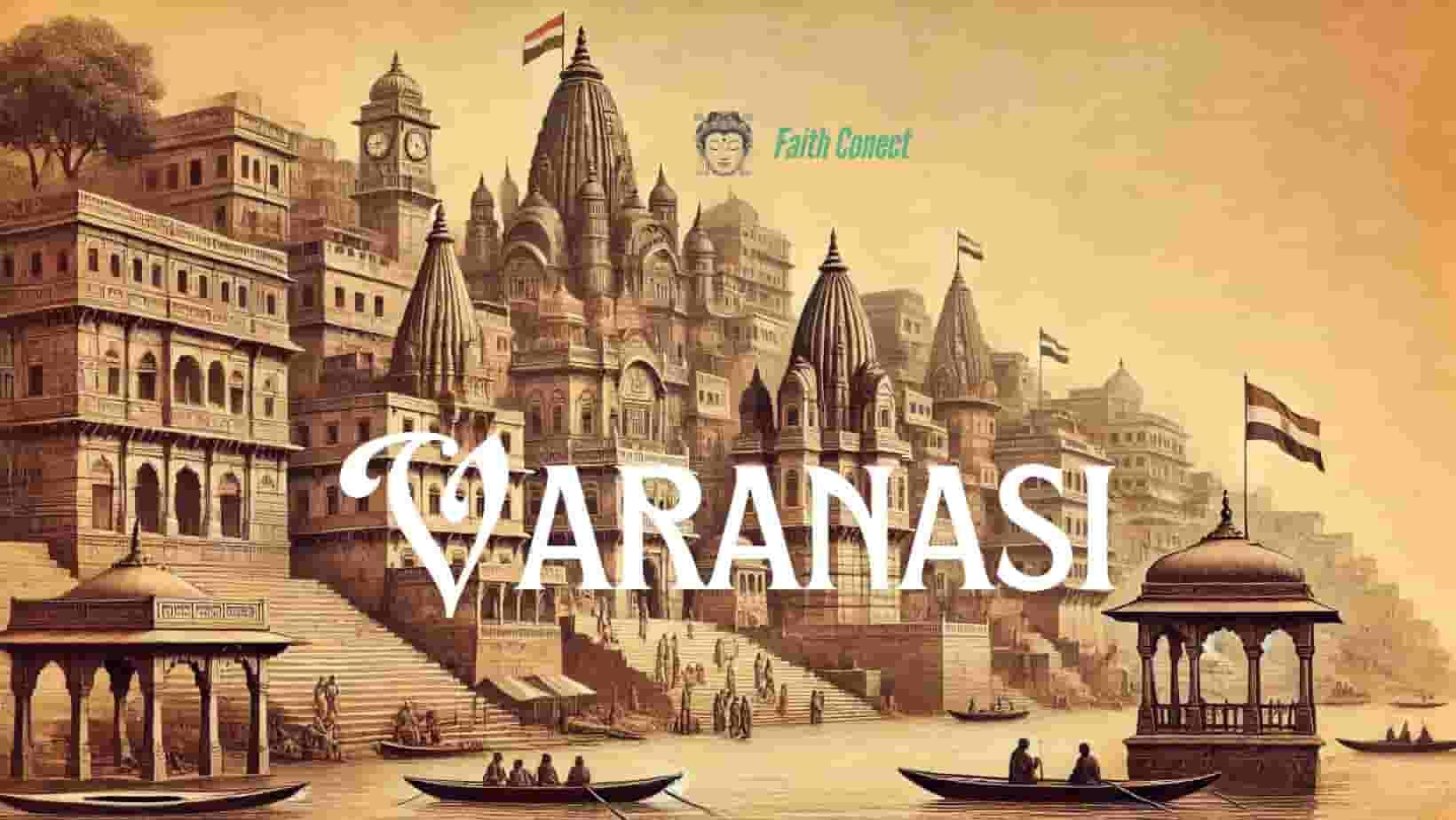
Nestled along the sacred Ganges River, Varanasi, also known as Kashi or Banaras, is one of the oldest continuously inhabited cities in the world. For centuries, this spiritual epicenter has been a beacon for pilgrims seeking solace, enlightenment, and the essence of Indian culture. Mark Twain famously said, "Varanasi is older than history, older than tradition, older even than legend, and looks twice as old as all of them put together." This blog explores Varanasi through a storyteller’s lens, taking you on a journey of discovery, spirituality, and wonder.
The Mythical Origins of Varanasi
According to Hindu mythology, Varanasi was founded by Lord Shiva himself, making it one of the holiest cities in India. Legend has it that Shiva’s celestial trident rests beneath the city, protecting it from worldly calamities. Stories from the Skanda Purana and Mahabharata recount Varanasi as a place where gods descended to bless humanity.
An enchanting tale speaks of the river Ganga descending from the heavens to purify the Earth, making its banks the ultimate destination for salvation seekers. Even today, this belief draws millions of devotees to perform rituals and immerse themselves in the holy waters.
Ghats of Varanasi: Steps to Eternity
Varanasi is synonymous with its ghats—a series of steps leading to the river. Each ghat has a unique story, purpose, and historical significance.
Dashashwamedh Ghat: The Most Revered
The Dashashwamedh Ghat, located near Kashi Vishwanath Temple, is where Lord Brahma is believed to have performed the Dashashwamedh Yajna (ten-horse sacrifice). Today, this ghat is renowned for the mesmerizing Ganga Aarti, a nightly ritual that transforms the riverfront into a celestial spectacle.
Traveler’s Tip: Arrive early to secure a good spot for the evening Aarti and soak in the spiritual ambiance.
Read More : Dashashwamedh Ghat
Manikarnika Ghat: The Eternal Flame
Known as the "burning ghat," Manikarnika is where the circle of life and death comes full circle. Hindus believe that cremation here guarantees liberation from the cycle of rebirth (moksha). Watching the perpetual flames and rituals is a humbling experience.
Example Story: A 75-year-old pilgrim from Tamil Nadu shared how her lifelong dream of being cremated at Manikarnika was fulfilled by her family, granting her soul eternal peace.
Read More : Manikarnika Ghat
Assi Ghat: The Meeting of Two Rivers
Situated at the confluence of the Ganga and Assi rivers, Assi Ghat is a vibrant spot frequented by students, artists, and spiritual seekers. Morning yoga sessions and devotional music create a serene atmosphere.
Read More : Assi Ghat
Temples of Varanasi: Divine Abodes
Varanasi’s skyline is dotted with temples, each narrating tales of faith and devotion.
Kashi Vishwanath Temple: The Golden Shrine
Dedicated to Lord Shiva, this temple is one of the twelve Jyotirlingas in India. The temple’s golden spires glisten under the sun, while its sanctum sanctorum radiates an aura of divinity.
Fun Fact: The temple has been destroyed and rebuilt several times, symbolizing resilience and devotion.
Sankat Mochan Hanuman Temple: The Trouble Solver
Founded by the poet-saint Tulsidas, this temple is a haven for those seeking relief from life’s struggles. Devotees offer sweet treats (ladoos) to Lord Hanuman to gain his blessings.
Durga Kund Temple: The Red Marvel
This temple, dedicated to Goddess Durga, is an architectural delight with its red sandstone façade. The adjacent pond adds to its tranquil beauty.
Festivals in Varanasi: A Riot of Colors and Faith
Varanasi comes alive during festivals, showcasing its vibrant culture and unshakable faith.
Dev Deepawali: The Festival of Lights
Celebrated fifteen days after Diwali, Dev Deepawali transforms the ghats into a glowing wonderland. Millions of earthen lamps illuminate the river, creating a magical reflection on the water.
Holi: A Splash of Joy
Holi in Varanasi is a riot of colors, music, and camaraderie. The narrow lanes echo with traditional songs, and people of all backgrounds come together to celebrate.
Story: Ravi, a tourist from Spain, described his Holi experience in Varanasi as "the most colorful chaos" he had ever witnessed.
Local Cuisine: A Gastronomic Pilgrimage
No trip to Varanasi is complete without savoring its culinary delights.
Kachori Sabzi and Jalebi
Start your day with a plate of crispy kachoris served with spicy potato curry, followed by piping hot jalebis for dessert.
Banarasi Paan
Immortalized in Bollywood songs, Banarasi paan is a symbol of the city’s rich culture. It’s not just a delicacy but a cultural experience.
Lassi at Blue Lassi Shop
Served in earthen pots, the creamy lassi here is a traveler’s favorite. Topped with fresh fruit and nuts, it’s a treat for your taste buds.
Arts and Crafts: A Legacy of Excellence
Varanasi is also famous for its handwoven Banarasi silk saris, a must-have for weddings and special occasions. The intricate zari work reflects the city’s artistic brilliance.
Traveler’s Tip: Visit the local weaving communities to witness the artistry firsthand and support local artisans.
Planning Your Trip to Varanasi
Best Time to Visit
The ideal time to explore Varanasi is between October and March, when the weather is pleasant, and festivals like Dev Deepawali take center stage.
Getting There
Varanasi is well-connected by air, rail, and road. Lal Bahadur Shastri International Airport serves domestic and international flights.
FAQs:
Why is Varanasi called the spiritual capital of India?
Varanasi is considered the spiritual capital due to its ancient history, association with Lord Shiva, and the presence of the sacred Ganges River. It is a hub for rituals, meditation, and pilgrimage.
What is the significance of the Ganga Aarti in Varanasi?
The Ganga Aarti is a nightly ritual performed to honor the river Ganga. It symbolizes gratitude, devotion, and the purifying essence of the river.
Which are the must-visit ghats in Varanasi?
The must-visit ghats include Dashashwamedh Ghat for the Ganga Aarti, Manikarnika Ghat for its spiritual significance, and Assi Ghat for its serene environment.
What are the famous foods of Varanasi?
Famous foods include kachori sabzi, Banarasi paan, malaiyo (a seasonal dessert), and lassi from local shops like Blue Lassi.
How can I experience the culture of Varanasi?
To experience Varanasi’s culture, attend the Ganga Aarti, explore the ghats, visit ancient temples, enjoy local cuisine, and interact with the local artisans.
Varanasi—A Journey to the Soul
Varanasi is more than just a destination; it is an experience that stays with you forever. Whether it’s the soothing chants at the ghats, the aroma of incense in the air, or the timeless tales whispered by the river, Varanasi offers a spiritual and cultural awakening like no other. Plan your visit to this timeless city, and embark on a journey that transcends the boundaries of time and space.
