


The Power of Intercessory Prayer: How Praying for Others Changes Everything
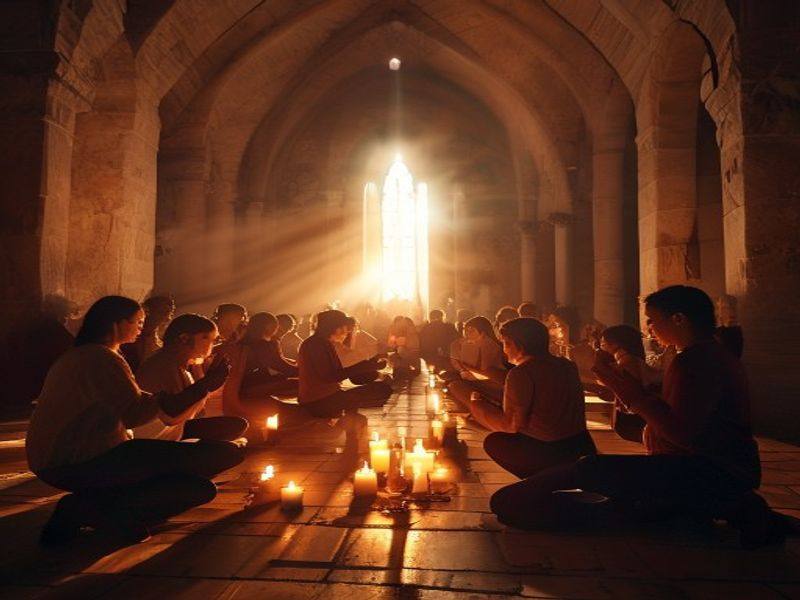
Introduction: What Is Intercessory Prayer?
Intercessory prayer is one of the most ancient, powerful, and underutilized spiritual disciplines in the Christian tradition. To intercede means to stand in the gap -- to approach God on behalf of another person, community, or nation. It is not simply asking God for personal blessings; it is bearing the burdens of others before the throne of grace.
The Old Testament is filled with great intercessors. Abraham interceded for Sodom (Genesis 18). Moses repeatedly stood between God's wrath and the rebellious Israelites, crying: "Turn from your fierce anger; relent and do not bring disaster on your people" (Exodus 32:12, NIV). These were passionate, persistent, and world-altering acts of spiritual warfare.
The Biblical Foundation of Intercession
The New Testament presents Jesus Himself as our ultimate Intercessor. Hebrews 7:25 declares: "He always lives to intercede for them." Right now, at this very moment, the risen Christ is praying for you before the Father. This is the theological ground upon which all intercessory prayer is built.
"And pray in the Spirit on all occasions with all kinds of prayers and requests. With this in mind, be alert and always keep on praying for all the Lord's people." -- Ephesians 6:18 (NIV)
The great Welsh Revival of 1904 is a powerful historical testament. Evan Roberts, a young coal miner, led a prayer movement that resulted in over 100,000 documented conversions in Wales in just five months. Crime rates fell, taverns closed, and communities were transformed -- all traced directly to sustained, fervent intercessory prayer.
How to Build an Intercessory Prayer Practice
1. Keep a prayer list. In Philippians 1:3-4, Paul tells the church: "I thank my God every time I remember you. In all my prayers for all of you, I always pray with joy." Write down names, needs, and dates -- and record answers as they come.
2. Pray Scripture over people. Rather than improvised requests, pray specific biblical promises. For a struggling friend, pray Philippians 4:7: "Lord, let your peace that surpasses understanding guard this person's heart and mind in Christ Jesus."
3. Establish a consistent time. Daniel prayed three times daily with such consistency that his enemies used it against him (Daniel 6:10). Consistency transforms intercession from an occasional activity into a life rhythm.
Conclusion: You Are the Answer to Someone's Prayer
When you intercede, you are participating in the very activity of heaven. Revelation 5:8 describes the prayers of the saints as golden bowls of incense before God's throne. Your prayers ascend, accumulate, and move heaven.
Charles Spurgeon once said: "I would rather teach one man to pray than ten men to preach." Stand in the gap. Be the intercessor your community is waiting for.
Today's reflection is centered on: Understanding the Sermon on the Mount and its radical call to Kingdom living. May this message strengthen your faith journey.
For more faith-based reading, explore: Navaratri: The Story, 9 Days & 9 Goddesses.
